
Mastering Landscape Photography: Tips from a Zagreb Professional


Understanding the Basics
Mastering landscape photography requires a solid understanding of the basics. Start by learning about the exposure triangle: aperture, shutter speed, and ISO. These three elements control the amount of light that enters your camera and greatly affect your images. A wide aperture can create a shallow depth of field, while a slower shutter speed can produce beautiful motion blur.
Composition is another fundamental aspect. Use the rule of thirds to create more balanced images. Imagine your frame divided into nine equal segments by two vertical and two horizontal lines. Place your main subject along these lines or at their intersections for more dynamic compositions.
Choosing the Right Equipment
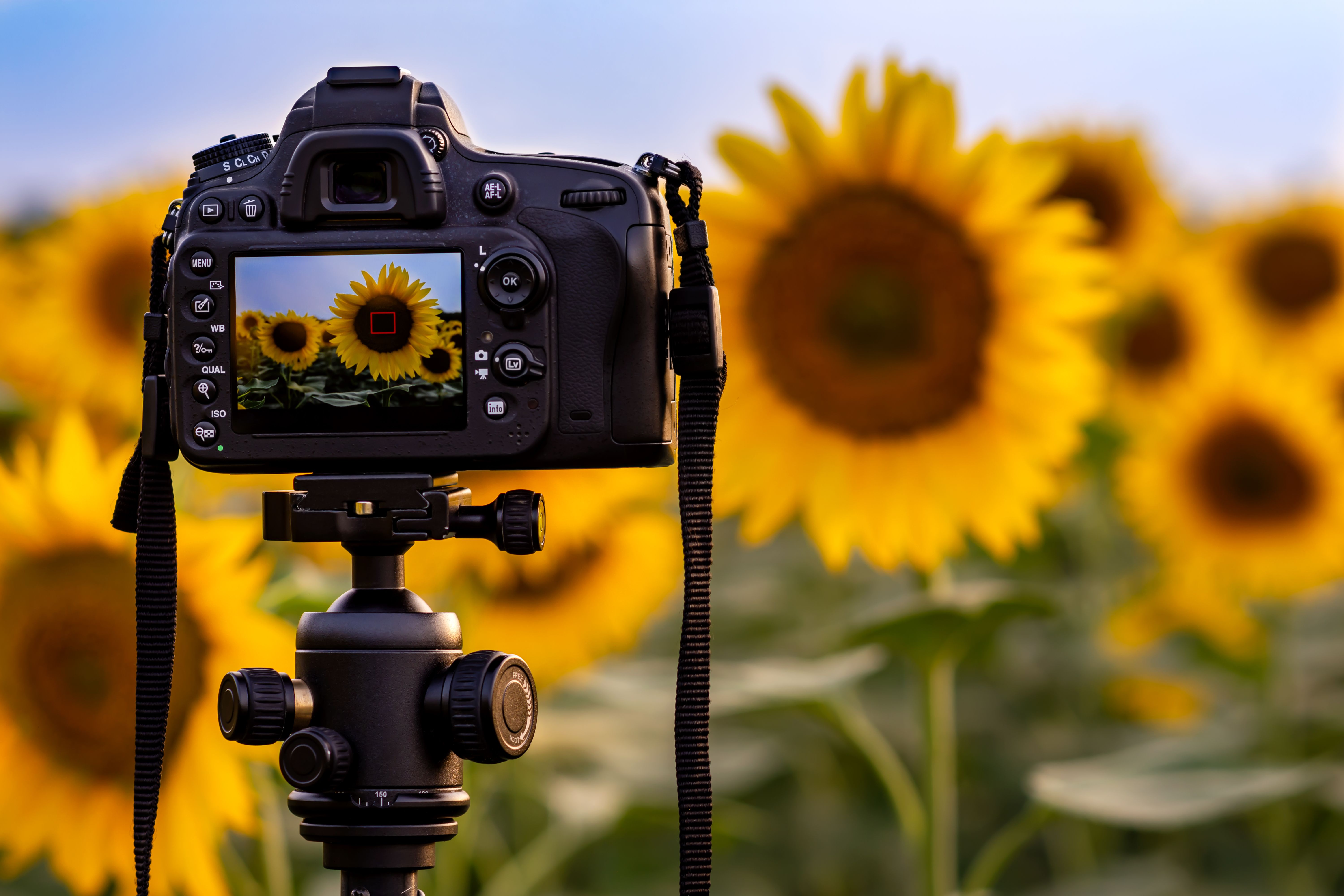
While having the latest gear isn't necessary, understanding what equipment suits landscape photography can enhance your work. A sturdy tripod is essential for long exposure shots, especially in low light. Additionally, a wide-angle lens can capture more of the scene, making it ideal for landscapes.
Filters are also worth considering. A polarizing filter can reduce reflections and enhance colors, while a neutral density filter allows for longer exposures even in bright conditions. These tools can add a professional touch to your photos.

Timing and Light
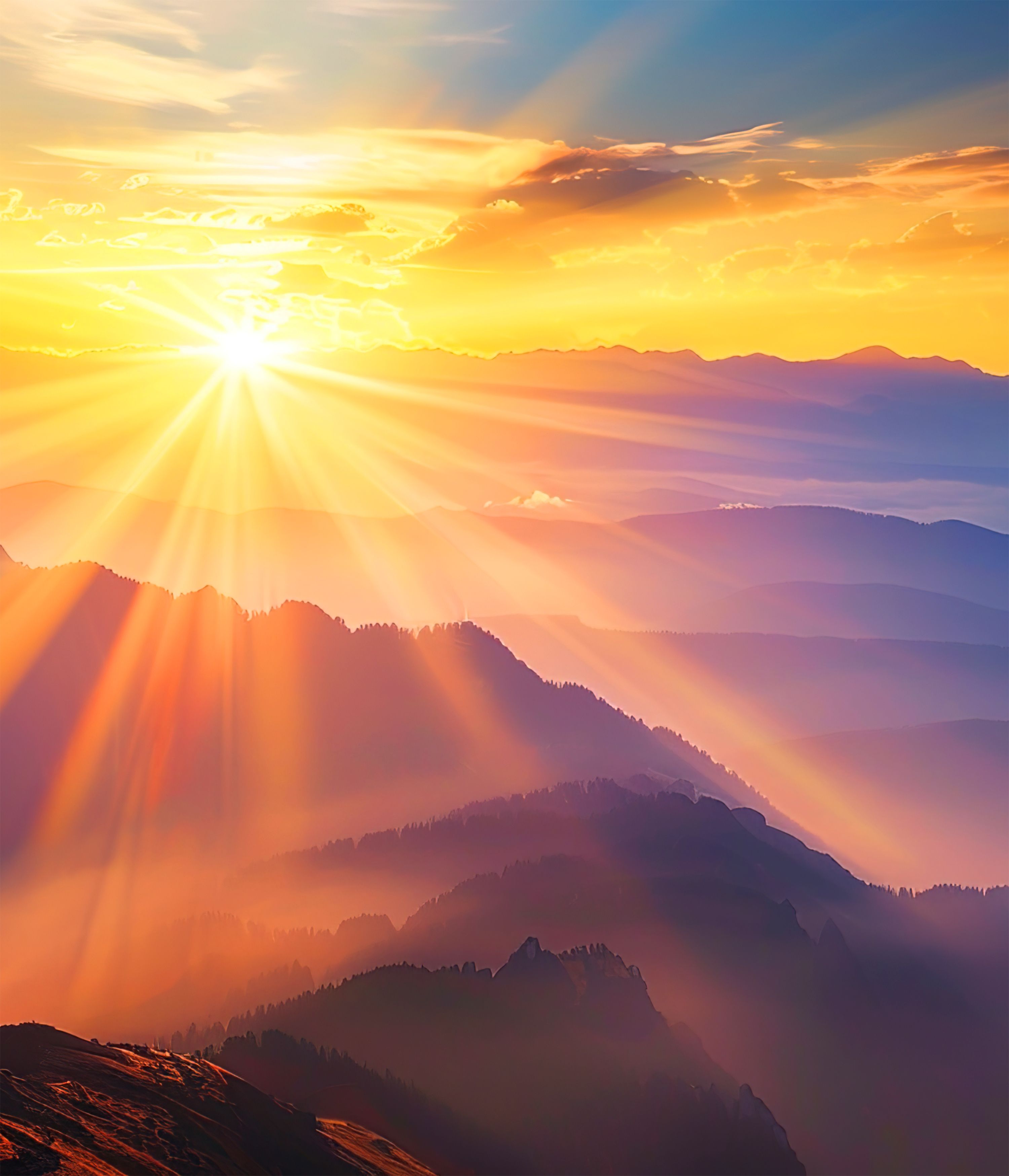
One of the secrets to stunning landscape photos is timing. The golden hour, shortly after sunrise or before sunset, offers soft, warm lighting that enhances natural beauty. Blue hour, the time just before sunrise and after sunset, can also provide dramatic lighting conditions.
Pay attention to the weather and be ready to adapt. Overcast days can reduce harsh shadows, while storms can add drama and mood. Understanding how light interacts with your landscape is key to capturing its essence.
Exploring Unique Angles
To capture unique and compelling images, explore different angles and perspectives. Don’t hesitate to climb higher or get closer to the ground. Changing your viewpoint can reveal new compositions and details that might otherwise be missed.
Experiment with leading lines, which guide the viewer’s eye through the image. Roads, rivers, or tree lines can all create paths that draw attention to the focal point of your photo.
Post-Processing Techniques
Post-processing is an important part of landscape photography. Use software like Adobe Lightroom or Photoshop to enhance your images. Adjusting contrast, brightness, and color balance can make your photos more vibrant and true to life.

However, be mindful not to over-process. Aim for a natural look that reflects the scene as you saw it. Subtlety is key to maintaining authenticity in your landscape photography.
Conclusion
Mastering landscape photography is a journey that combines technical skills with creativity. By understanding your equipment, timing your shots, and honing your post-processing skills, you can capture the beauty of the world around you.
Remember to keep experimenting and learning. Every landscape has a story, and with practice, you can tell it through your lens. Embrace the challenges and let your passion for photography guide you.