
Expert Tips for Stunning Night Photography in Zagreb


Understanding the Basics of Night Photography
Capturing the magic of Zagreb at night requires a solid grasp of night photography fundamentals. The city comes alive with stunning lights and shadows that create perfect opportunities for breathtaking shots. To start, familiarize yourself with the key settings on your camera: ISO, aperture, and shutter speed. These elements play a crucial role in determining the quality of your night photos.
The ISO setting controls the camera's sensitivity to light. For night photography, a higher ISO helps capture more detail in low-light situations. However, be mindful of noise, which can increase with higher ISO levels. Balancing ISO with aperture and shutter speed is essential for clear, stunning images.
Choosing the Right Equipment
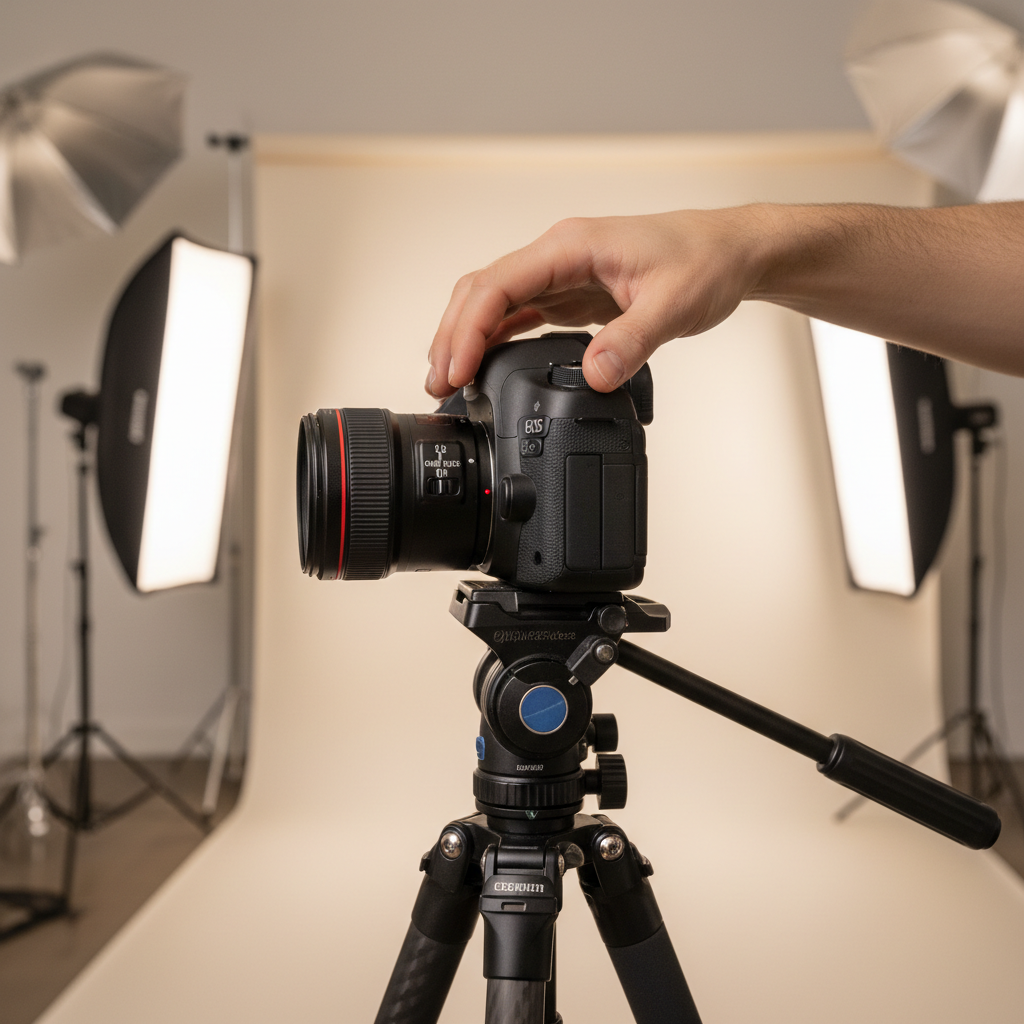
To excel in night photography, having the right equipment is essential. A DSLR or mirrorless camera with manual settings is ideal, as it gives you more control over the exposure. Pair your camera with a fast lens, such as a 50mm f/1.8, to capture sharp images in low light conditions.
A sturdy tripod is another must-have. It stabilizes your camera during long exposures, preventing blur from camera shake. Additionally, a remote shutter release or a timer function can help minimize vibrations when taking shots.
Exploring Zagreb’s Iconic Night Spots
Zagreb offers numerous locations perfect for night photography, each with its unique charm. Start with Ban Jelačić Square, the city's central hub, where vibrant lights and historic architecture create captivating compositions. Capture the energy and ambiance that define this iconic location.
Another photogenic spot is the Zagreb Cathedral. Its towering presence and intricate details make it a compelling subject against the night sky. Experiment with different angles to highlight its grandeur and the play of light and shadow.
Mastering Long Exposure Techniques
Long exposure is a powerful technique in night photography, allowing you to capture movement and light trails. To achieve this effect, use a slow shutter speed, typically between 10 and 30 seconds. This technique is perfect for photographing traffic lights, star trails, or flowing water.
When executing long exposures, ensure your camera is stable on a tripod to avoid blurring. Additionally, use a low ISO setting to maintain image quality and prevent overexposure from artificial lights.
Post-Processing for Perfect Results
Post-processing is the final step in creating stunning night photographs. Software like Adobe Lightroom or Photoshop can enhance your images, bringing out details and correcting exposure issues. Focus on adjusting the brightness, contrast, and color balance to achieve the desired effect.
Noise reduction tools are particularly useful in night photography, helping to clean up any unwanted graininess from high ISO settings. Experiment with different adjustments to find the perfect balance for each photo.

Final Tips and Tricks
Practice makes perfect, so don't hesitate to experiment with different settings and techniques. Patience is key, as some shots may require multiple attempts to get right. Remember, each night shoot is an opportunity to learn and improve your skills.
Lastly, always be prepared. Carry extra batteries and memory cards, as long exposures can quickly drain your resources. With these expert tips and a bit of practice, you'll be well on your way to capturing stunning night photographs in Zagreb.